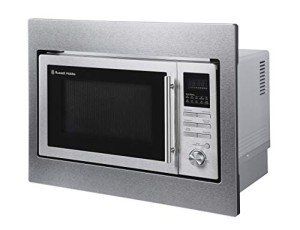
Benefits of a Built in Oven and Microwave
If counter space is limited in your kitchen, a built-in microwave and oven can to reclaim some space. They can also assist in baking and cooking.
Microwaves can be installed on the counter or in drawers or cabinet, with trim kits readily that can be used to create a seamless appearance. Install them at a level that is comfortable and ensure that there is sufficient ventilation.
Space Saving
You can reduce the space on your countertop by installing a microwave then using the oven you already have to bake or cook food items. This combination appliance will save space on your countertops and provides you with more cabinet storage in a tight kitchen design. This appliance is a great option to consider if you are remodeling your kitchen or designing your new home.
No matter if you have a small or a large kitchen, including your microwave in the layout of your kitchen will provide it with a more refined customized appearance. You can build cabinets around it or put it in an open shelving space for a sleek, integrated appearance in your kitchen. Some people even put it in the back of an island to make it easier to access. Be aware that this arrangement may require adequate ventilation and may result in gaps between the cabinetry and the microwave.
A built-in oven is designed to be mounted on a cabinet or wall. This gives a seamless appearance and is generally more expensive than an oven that is standalone. It comes with a range of benefits and makes it a worthwhile investment for your lifestyle and cooking.
A built-in oven is able to add a variety of options to your kitchen, such as precise temperature control energy efficiency, optimized pizza making settings, and much more. These features are designed to enhance your cooking experience and transform your kitchen into an oasis for chefs. However, it's important to remember that the lifespan of your built-in oven will vary depending on the type and the quality of the appliance and the use it gets, as well as following the proper guidelines for care. In general, a well-maintained and maintained built-in oven should last for around 15 years. Take a look at Beko's selection of high-quality, built-in ovens when you are contemplating renovating your kitchen. We offer a wide range of finishes and styles that will suit any kitchen design.
Convenience
Built-in ovens and microwaves can assist in removing counter space in your kitchen. You can choose between a variety installation styles that will suit the layout of your home and provide an aesthetically pleasing appearance with other appliances. Certain models can be integrated into your island or wall.
Built-in ovens have many useful features that help you cook and entertain more easily. Some of them have grilling capabilities that lets you cook a wide range of meals without heating the oven, and automated cooking programs that help you make cooking faster by setting the right settings for different foods. Certain models also come with child safety locks to avoid accidental opening of the oven.
You can also personalize the built-in oven to match the aesthetic of your home by choosing a variety of finish options. A majority of them are neutral in their color which means they can be paired with other kitchen appliances, including your electric stove (also called range) and dishwasher. Some of the most luxurious built in ovens have a sleek, brushed stainless steel that look a bit futuristic.
A built-in oven and microwave also takes up less counter space than an over-the range model, which makes it easier to clean your work area. It can also be flush with the wall to save more space and provide an attractive appearance.
Consider integrated microwave ovens and power of the oven you'll need. A smaller model is sufficient if you only plan to use it for reheating. If you plan to use it to cook more complicated meals, such as baking or griddling, it is possible to consider a model with more power.
A built in oven can be more costly than a freestanding one, and may require additional cabinetry or adjustments to accommodate the space it occupies. buy integrated microwave -in ovens are also difficult to move or take away after it is installed if you want to change the layout of your kitchen.
Style
A built in oven is a kitchen appliance which has been designed to be integrated into a cabinet or wall to be a permanent fixture within your home. These types of ovens typically cost more than freestanding ovens, and are less mobile, which is an issue if you intend to change your kitchen layout in the future. Built-in ovens are a great option to create a chic kitchen space that blends seamlessly with your decor.
The microwave can be placed in a cabinet or placed on the countertop to create a look that is built-in. This helps save space and gives your kitchen a more uniform appearance. Trim kits from brands like KitchenAid are available to cover any gaps around the microwave to ensure the appearance of a seamless design. These kits are a simple method to modernize your kitchen without undergoing an expensive remodel.
Built-in microwaves are installed at eye level or below the counter to make it easier for users to reach in and take food out. Some models also have a drawer design that opens like a door for a cabinet which makes it easier for you to check or stir your meals while they're in the microwave.
Many microwave ovens built-in have advanced features that will aid in preparing healthier meals for your family. Some of these features include energy-saving technology, optimized pizza making settings, and steam cooking. These features can enhance the taste and texture of your food while reducing calories and fat. You should consider upgrading your appliance to one with more features. This will improve your cooking skills as well as increase your home's value.
When you are considering buying an oven for the first time, it's important to weigh the pros and cons of both alternatives. A built-in oven is a sleek and stylish look that can add value and appeal to your home. However an independent model could be more cost effective and flexible, based on the layout of your kitchen and needs. To determine the best option for you, speak to an expert kitchen designer or installer who can evaluate your kitchen and give advice on which type of oven is best suited to your home's unique layout.
Energy Efficiency
Your kitchen can be more energy efficient using an oven that is built-in and a microwave. These appliances consume less energy than traditional ovens that use large amounts of power to heat the vessel before cooking food items. Additionally, microwave ovens that are used in these appliances are smaller than traditional models, which helps to cut down on energy usage even more.
In addition to the energy savings microwaves also reduce environmental pollution by lowering the greenhouse gas emissions that are associated with electricity production. In some cases homeowners can expect to see significant savings on their utility bills if they replace their old models with newer ones.
The latest microwaves feature many features that help to make them more energy efficient, such as a door interlock system that shuts off power when the door is opened. There are also multiple redundant interlocks to prevent microwave leakage. Many models also come with LED lights that are brighter and consume less energy. They can be turned off when not being used.
Built-in microwaves have a greater life span than freestanding models. Based on the use, maintenance, and the condition of the appliance, these devices will last from 10 to 15 years or longer.
As part of the Energy Policy and Conservation Act (EPCA) and the Energy Independence and Security Act (EISA) the Department of Energy has proposed new standards for microwave ovens that address standby and off mode energy usage. The new standards would require manufacturers to provide models that use significantly less energy when not in use than current models.
DOE's analysis of the new standard focuses on the economic impact to consumers, including life-cycle cost (LCC) savings as well as simple payback times. DOE also considers external benefits such as improved energy security and environmental quality.
The new standards are expected to save consumers around $80 per year on their electricity bill for a countertop microwave oven, and around $270 per year on their electricity bill for a built-in or over the range microwave oven. The savings will more than offset any additional costs associated with the implementation of the new standards.